Why New Windows Still Leak During Austin Storms
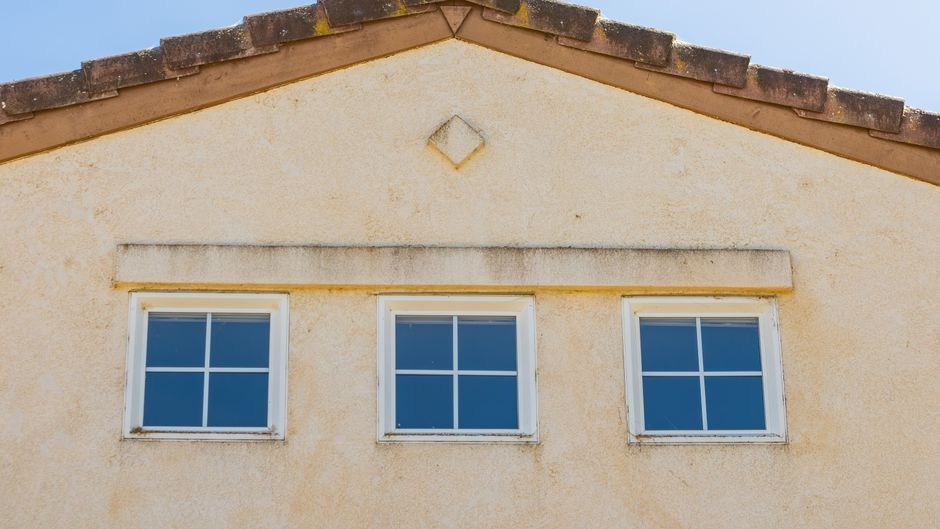
Nothing about a brand new window looks like a leak waiting to happen, and that is the trouble with it. The running record window installation austin tx love my cc holds shows the same pattern after every big Austin front: a clean frame on the inside, a dark stain on the drywall a week later, and a window that was never the real problem. The leak lives in the opening around the window, and that opening was either flashed correctly or it was not.
Rain in Austin does not fall straight down

A summer thunderstorm pushing across the Colorado River drives water sideways at the wall, and a window sits in the way of it. Water runs down the siding, reaches the top of the frame and has two choices: shed over the window or slip behind it. Without head flashing, a thin metal or membrane strip that tucks under the siding and laps over the top of the frame, it slips behind, and a vinyl window with a perfect seal on the sash leaks just the same.
The corners fail first

Where the head flashing meets the side flashing is the weakest spot in any opening. Sloppy overlaps leave a pinhole that a double hung unit hides completely behind its trim. Water enters at the upper corner, travels down the jamb inside the wall and shows up at the sill, which sends people looking at the wrong spot.
Water gets behind the trim
Exterior trim boards are often nailed tight to the frame and caulked on all four sides. Wood trim near Zilker Park and Barton Springs Pool gets the worst of it because the humidity there rarely drops, and the boards stay damp long after the sun is gone.
Old houses add their own gaps
Bungalows in Hyde Park and Clarksville were framed with rough openings that are rarely square. A replacement window installed with only a bead of foam leaves a crooked gap that foam cannot fill evenly.
What a leaking opening actually shows
Stains under the sill, bubbling paint on the stool, a musty smell after rain, and swollen trim are the common signs. A leak that only appears in wind driven rain points at flashing. A leak that appears in every rain, even a gentle one, points at the sill or the sealant joint. Soft wood means the water has been getting in for a while. Fog between the panes of insulated glass is a separate matter, a seal failure in a double pane unit that shows as haze rather than water on the wall.
Tracing the path before anything is replaced saves the wall, because a new unit set into the same unflashed opening will leak the way the old one did. An installer who pulls the trim, checks the sheathing and rebuilds the flashing from the bottom up, lapping each layer over the one below, gives Austin, TX rain nowhere to go but down and out.