Rot Repair at a Window Sill Before the Window Goes In
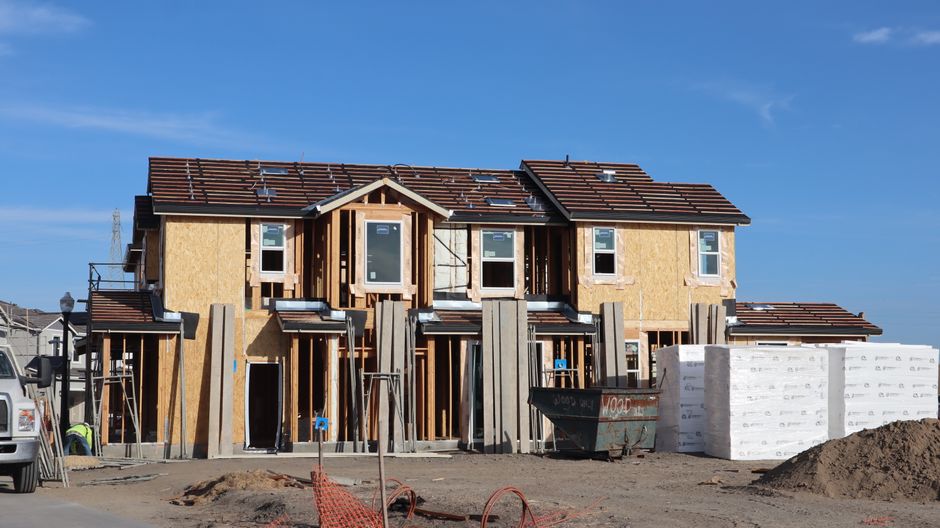
Rot does not stop at the edge of the paint, and the way a crew checks an opening in Austin (the way work booked through window installation austin tx love my cc is measured, in plain terms) is by pressing a screwdriver into the sill before any new window is ordered. Wood that takes the point without resistance has already lost its strength, and the whole replacement window installation depends on what is behind it.
How soft wood is found
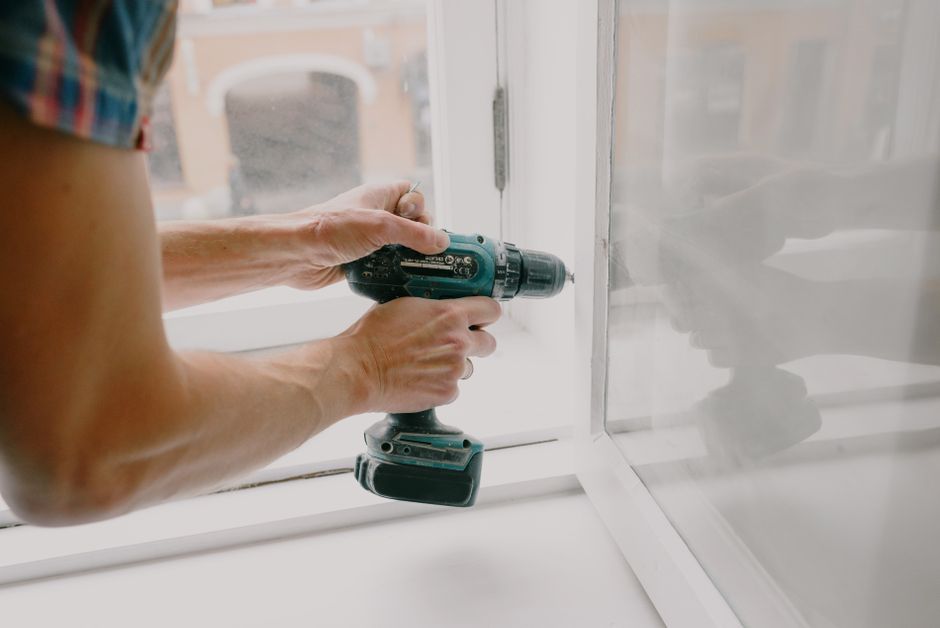
A sound sill resists a pick or a flat screwdriver and splinters in long fibers. Rotted wood crumbles, comes away in a dry brown mass or feels like wet cardboard. Probe the sill, the bottom of each jamb, and the trim returns. Bungalows in Hyde Park and Travis Heights often hide damage behind paint that has been renewed a dozen times, so a clean surface says very little.
Cutting back to sound framing
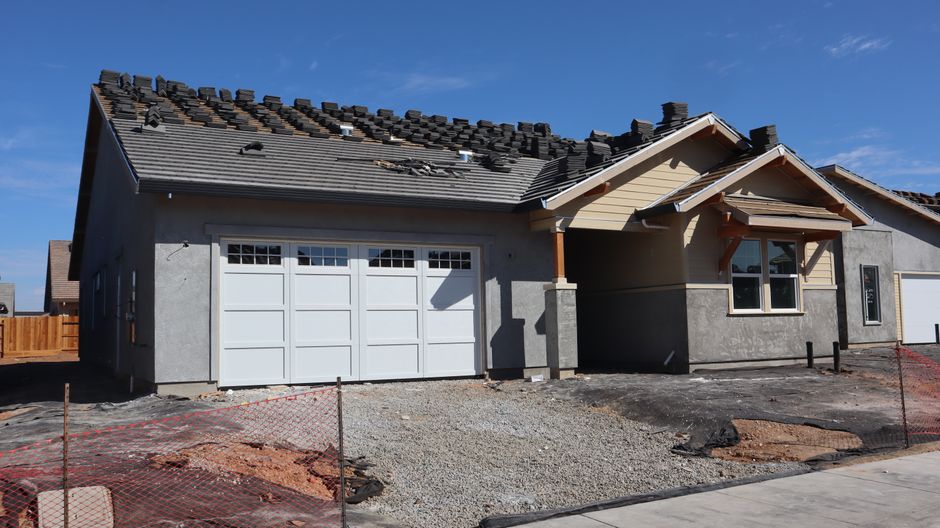
The rule is to cut until the wood is solid, then a little further. Cut out the rotted sill, trim the bottom of the jamb studs if they are soft, and check the plate below. A thin line of discoloration can run a foot past the visible damage because water travels along the grain. Stopping short leaves a damp edge that keeps rotting under the new work.
Sheathing behind the siding
Damage that reaches the sheathing changes the job. Plywood or board sheathing that is black, delaminated or soft has to be cut back and replaced with new panels that land on framing. Patching with a scrap piece that is not nailed to a stud does not hold, and the house wrap or building paper over it needs to be lapped and taped so each layer sheds water onto the one below.
Rebuilding the sill
Use treated lumber or a rot-resistant species for the new sill, slope it toward the outside, and seal the cut ends before it goes in. A wood window in an old frame can sometimes be saved if the damage is local, but a clad window or vinyl window set into a rotten opening will fail with it. Epoxy consolidants can stiffen a small soft area, though they are no substitute for new wood where the fibers are gone.
Why the cause matters
Rot is a result. Missing head flashing, a clogged weep hole, or caulk that has split open will all rot a sill again no matter how well it is rebuilt. When a storm has stained the wall near Clarksville or Bouldin Creek, the first job is to find where the water came in, fix that, and only then close the wall. A repaired sill in Austin, TX with the original leak left alone will be soft again within a few wet seasons.